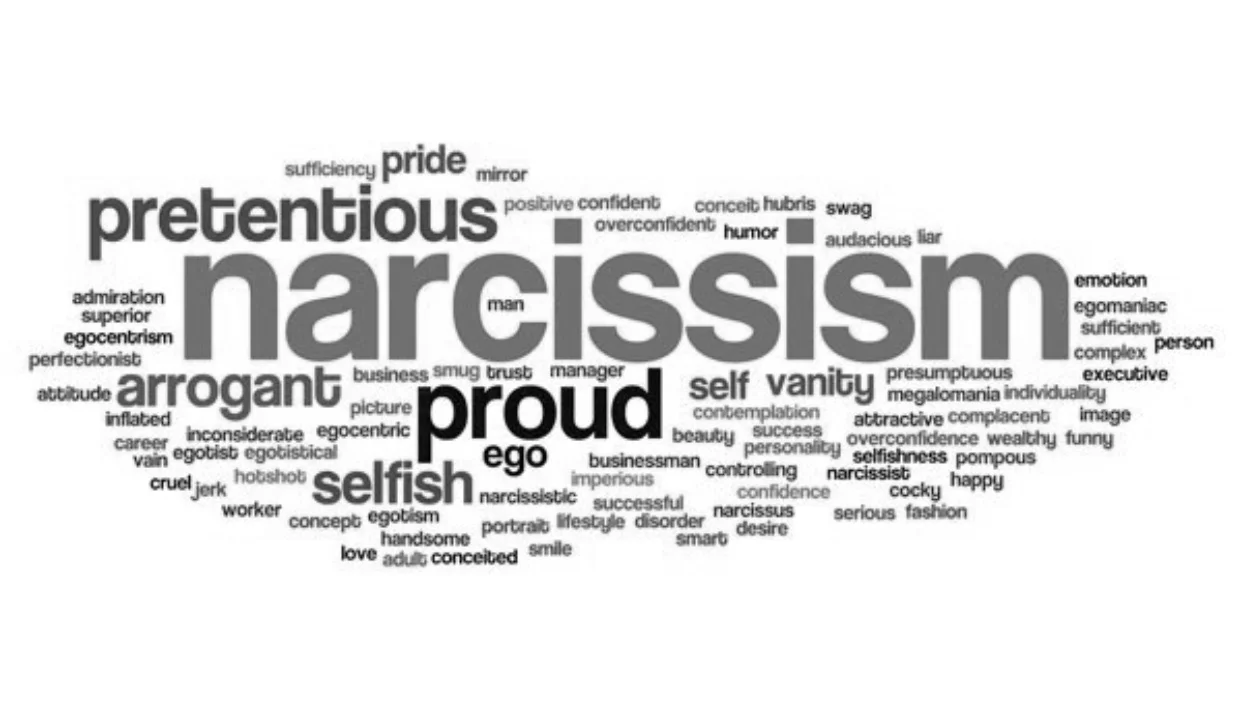
Did my ex-covert narcissist intend to hurt me, or is their behavior unconscious?
By Elinor Greenberg
There is one question that I have been asked by virtually everyone who has had a serious romantic relationship with a person who turned out to have a Narcissistic Personality Disorder:
Did they mean to hurt me?
This question comes in many forms. If you have been hurt by a Narcissistic mate, you have probably wondered some of the following things:
Did they want to hurt me?
Did they do that on purpose?
Do they understand how painful this is to me?
Do they even care what I feel as long as they get their way?
How can they say they love me and still say and do such awful things to me?
The answer is more complicated than a simple “yes” or “no.” The short answer is that sometimes they did mean to hurt you and sometimes they were so focused on their own needs and feelings that they did not take the time to think about how you might be affected by their actions.
4 Main Factors Contribute to this Situation:
People with Narcissistic Personality Disorder lack:
“Whole Object Relations” and “Object Constancy.
Emotional empathy.
A sense of proportion.
Timing.
These four things interact to create many situations where the Narcissistic mate is likely to hurt their mate’s feelings—-sometimes on purpose and sometimes by accident.
Lack of Whole Object Relations and Object Constancy
Please bear with me while I explain these terms. These are very unfortunate names for very useful concepts. It is almost impossible to understand the pattern of behavior and attitudes that we call Narcissistic Personality Disorder without first understanding these concepts.
Whole Object Relations: This is the ability to see oneself and other people as having both liked and disliked traits and behaviors. “Whole Object Relations” allows us to form stable, realistic, and integrated pictures of people in our mind.
This is somewhat analogous to our experience of the Moon. As the Moon goes through its phases, at most we only see half of it at any time. When we only see a crecent moon, we are still aware that the rest of the moon still exists.
All-Good vs. All-Bad: Without “Whole Object Relations” people can only see the other person as all-good or all-bad. It is as if the other side of the person ceases to exist, including the past history with that side. It fades into the unseen background, while the part that is noticed becomes a bright shiny figure that dominates the person’s view of the situation.
In the case of Narcissistic Personality Disorder:
All-Good = Perfect, special, unique, flawless,of high status, and entitled to special treatment.
All-Bad= Flawed, worthless, inadequate, low status, and entitled to nothing.
Object Constancy: This is the ability to maintain positive feelings towards oneself and others while you are feeling angry, hurt, disappointed, or frustrated with yourself or someone else.
Without this ability, it is impossible to maintain stable feelings towards anyone. The moment you are disappointed by them, all good feelings disappear, and all you are aware of is your hatred.
Emotional Empathy
Emotional Empathy; Emotional empathy is the capacity to feel what someone else is feeling. If you have emotional empathy, you will find it hard to enjoy yourself when someone that you care about is hurting.
Narcissists have little or no emotional empathy. They not only do not feel bad for you when something goes wrong in your life, they are likely to become annoyed with you because you are less available to them.
Intellectual Empathy: Narcissists can have Intellectual empathy. This means that, if they stop to think sbout it, they may be able to imagine what you are feeling.
Unlike emotional empathy which is immediate and instinctive, intellectual empathy requires the Narcissistic person to stop and think about your feelings. Narcissists are very self-centered. Even when they can figure out what you are feeling, they may not really care. Some go through the motions of pretending to care because they know it is the normal thing to do—but it is work.
Example—Sara and the Ski Trip
Sara went on a ski trip with her Narcissistic boyfriend Jordon. They both love to ski and had been looking forward to this trip for a long time. On one of their ski runs, Sara fell very hard and herniated a disc in her back. She was in excruciating pain, had to sit in the Emergency Room of a local hospital for two hours waiting to get an MRI, and finally saw a doctor.
Jordon accompanied Sara to the ER and waited with her. Instead of trying to soothe and comfort her, he expressed his annoyance: “I can’t believe that you did this! We are missing a whole day of skiing because of you.”
When the doctor told her she would have to rest for a few weeks instead of skiing, Jordon said: “Well it is my vacation too and I am going to ski. I hope you don’t expect me to stay all day in the lodge with you.”
Sara was very hurt by Jordon’s response.
Did Jordon mean to hurt Sara?
No, Jordon was focused on his own needs and his disappointment that his plans for a lovely ski vacation were being disrupted. His lack of emotional empathy made him indifferent to Sara’s pain and how his words might be affecting her.
Timing: Some of the hurt that Narcissists cause is related to their need to express their negative feelings about you, or something that you have done, the very moment that they feel them.
Instead of waiting till a convenient time for both of you to discuss an issue calmly, many people with Narcissistic Personality Disorder insist on letting their partner know right now all the bad things that they have done.
They do not take into consideration anything about the larger field (everything else that is going on in their partner’s life).
A Sense of Proportion: Most people have a sense of proportion. What I mean by that is their response to negative events are proportionate to the seriousness of the event. Narcissists often react to minor events, like being made to wait on line or not getting exactly what they want when they want it, almost as strongly as getting slapped in the face.
Example—Maria and her Licensing Exam
Maria had just finished getting her degree in social work and doing her two required internships. She has been studying for weeks for her State’s Licensing exam. Right now, passing this exam is temporarily the most important thing in Maria’s life. Jose, her Narcissistic boyfriend, lives with her and knows how important it is for Maria to pass her exam.
Maria had planned to go to bed early and get as much rest as possible the night before the big exam. Unfortunately, just as she was getting ready to go to bed, Jose came in and said, “We are out of beer. You know I like a beer in the evening. How could you let this happen?”
Maria was taken aback that Jose was making such a fuss about her not having beer in the fridge right when she was trying to calm down and get to bed early. “I’m sorry. I know beer is important to you, but I have been too busy studying to do any shopping. We can restock the fridge and get you anything you want after my exam.”
Instead of accepting Maria’s apology, Jose escalates the fight. “This is just another instance of you showing that you don’t really care about my feelings. I feel really dismissed by you!”
Maria cannot believe that Jose is picking a fight over beer on the night before the most important exam of her life. When she says: “Please, Jose, let me go to sleep.” He says, “I’m going out to buy my own beer because you obviously couldn’t care less about how I feel. Everything is about you and your precious exam.” He stomps out leaving Maria stunned, awake, and crying.
Did Jose mean to hurt Maria?
Jose was angry with Maria for putting her own needs first. His lack of a sense of proportion about the importance of his getting a beer versus Maria needing to study for her licensing exam made his anger seem justified. He did want to hurt Maria because he felt neglected by her.
A non-Narcissist might have felt neglected as well, but they would have taken timing into consideration and delayed having the “I feel you are ignoring my needs” discussion till after Maria’s exam.
Jose’s lack of “Object Constancy” and lack of emotional empathy also played a role in their fight. As soon as Jose was disappointed when he discovered that they were out of beer, his good feelings toward Maria disappeared and she became the enemy. This, plus his lack of emotional empathy, made him willing to sabotage Maria, even if it caused her to fail her exam.
Punchline: The typical deficits that are associated with Narcissistic Personality Disorder increase the likelihood that Narcissists will hurt their mate. Sometimes this is simply an unintentional byproduct of their self-centeredness. Other times it is quite intentional and is usually payback for some behavior that has angered or disappointed them. In that situation, they do know that they are hurting you, but they simply do not care.